

What is CombIQ?
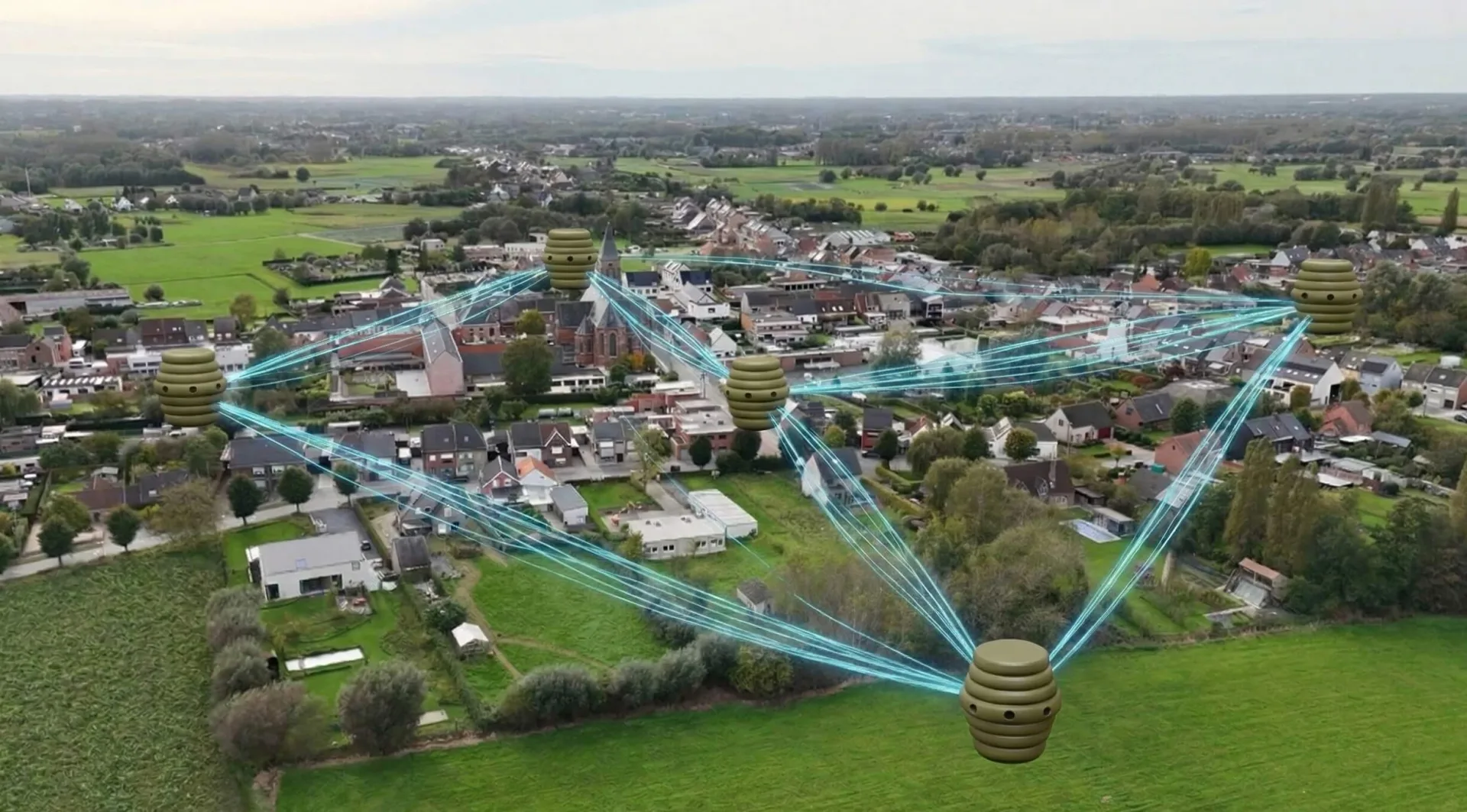
CombIQ is a modular and open ecosystem that combines AI, blockchain, robotics and smart sensor technology into a single integrated platform for pollinator protection, invasive species control and field scientific research. The system is designed from a single central vision: to make powerful technology accessible to everyone - from the professional researcher to the passionate nature enthusiast at home.
Where existing solutions often choose between surveillance OR action, OR between exclusivity OR accessibility, CombIQ chooses all of them. The modules work independently but become more powerful in combination, and are designed to be gradually extensible - from simple monitoring in the garden to a fully autonomous hive with robotics and global data connectivity.
The long-term goal is clear: a freely available open source platform for the whole world, with hardware cheap enough to be used at home, in a school garden or in a nature reserve in a developing country. Not as a gadget, but as infrastructure.
Invasive species: detection, control and tag tracking
The Asian hornet (Vespa velutina) has become, since its introduction to Europe in 2004, one of the greatest threats to native pollinators. A single nest can decimate dozens of bee colonies in a single season. The traditional approach, manual observation, passive traps, manual spotting - is laborious, hence costly and difficult to scale.
CombIQ offers a layered response:
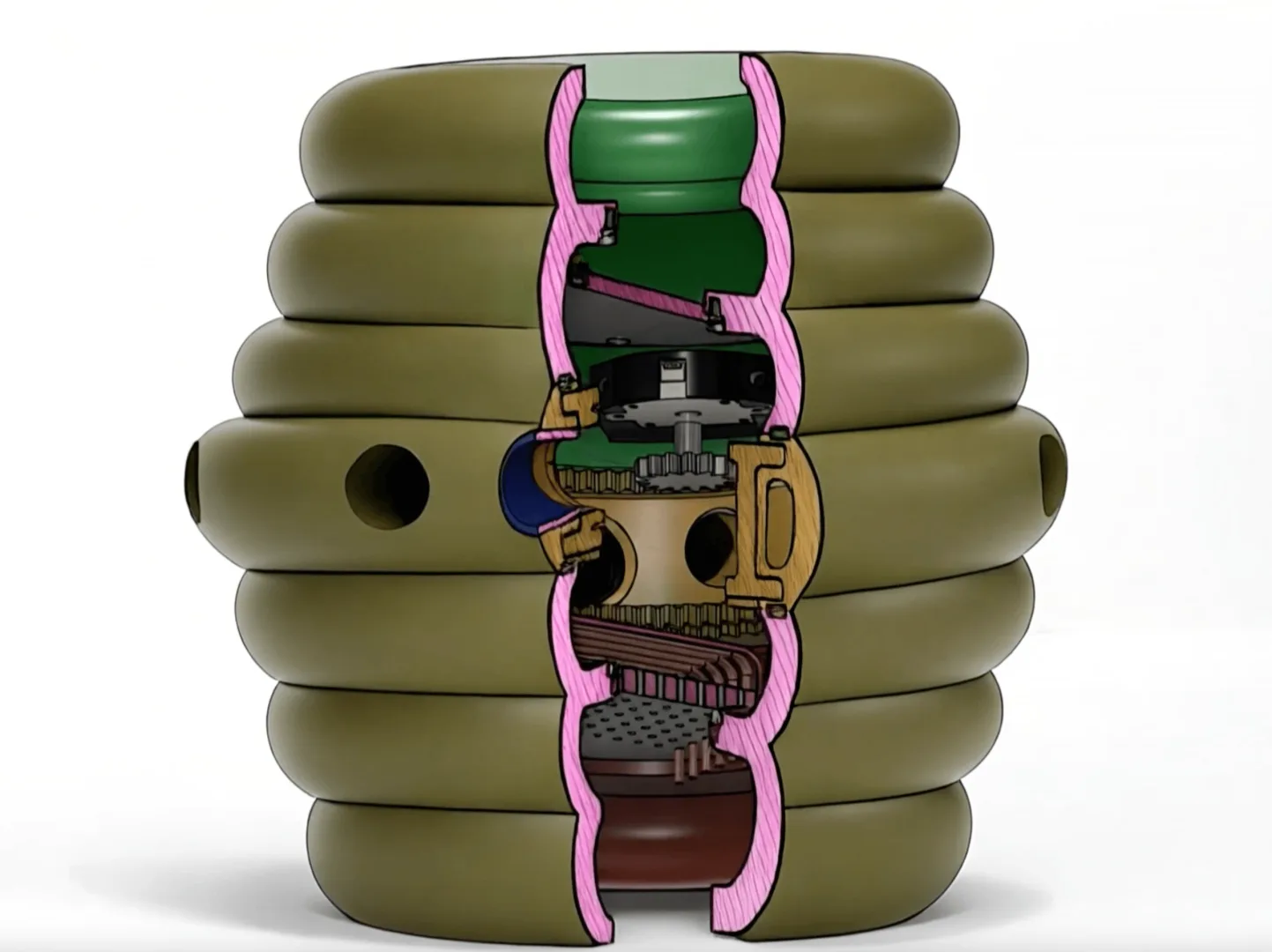
The NoHive is a passive and selective trap with thoughtful design that maximizes the use of odor movement and flight behavior. No electronic components, but efficiency that surpasses traditional traps — and a foundation on which smarter variants are built.
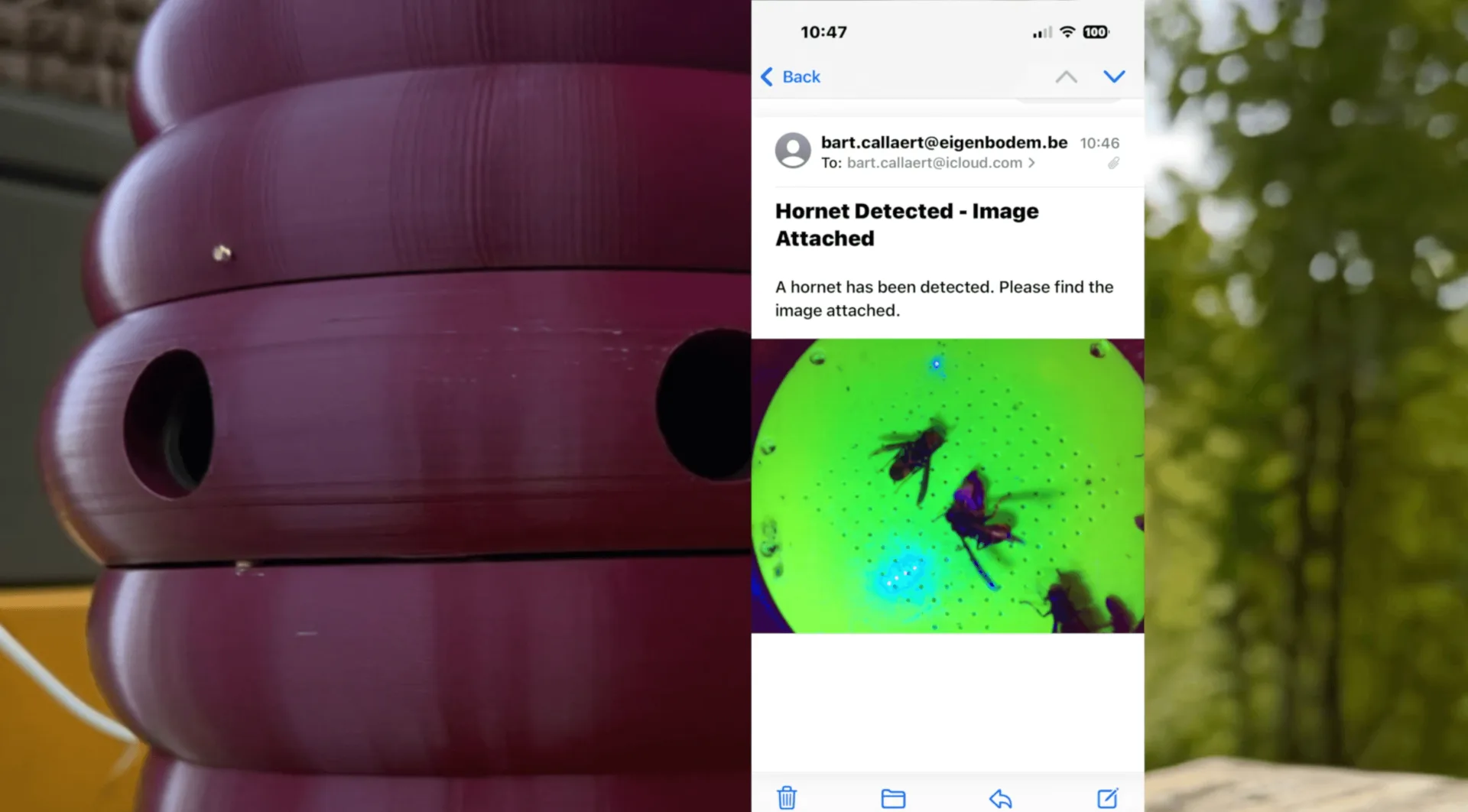
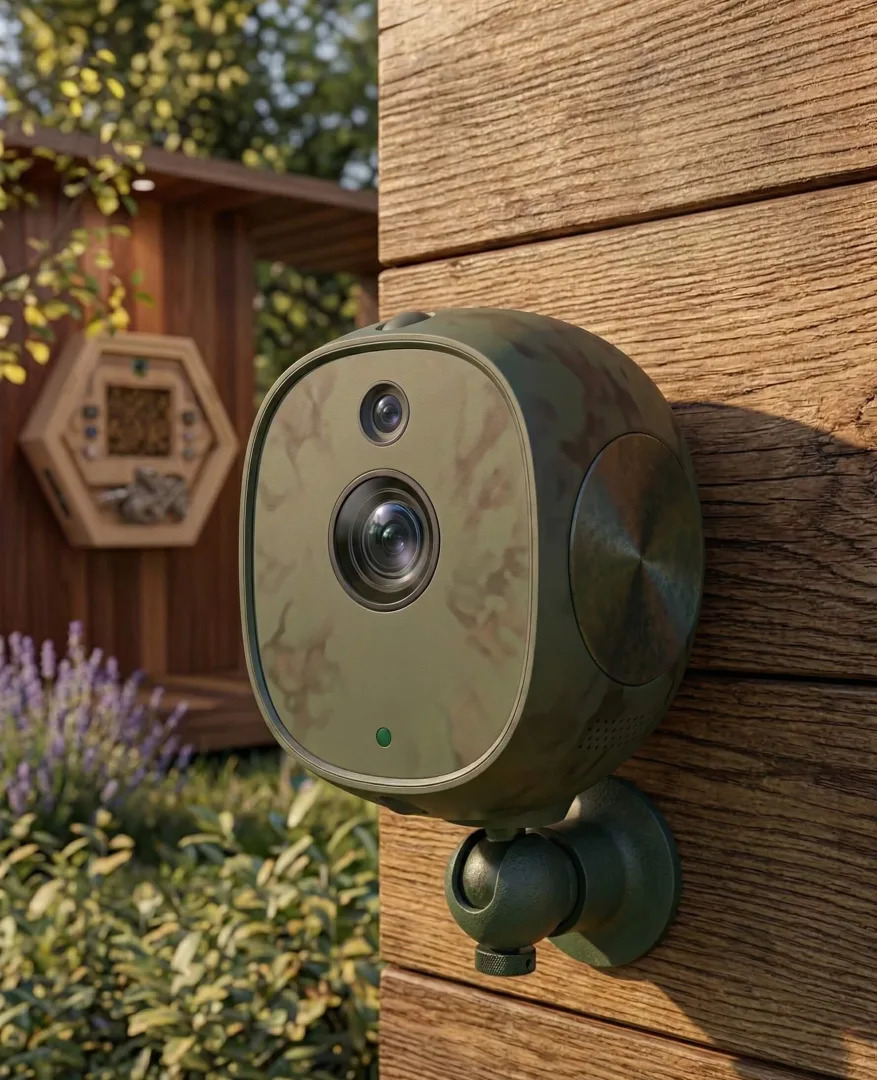
The NoHive Smart adds a fully AI-driven detection system. A 4K camera coupled with local AI processing (edge computing) identifies insects in real time, distinguishes species, sexes and sizes, and can if necessary activate a selective 2000V system only with 100% certainty of identification of an invasive species — without accidental capture. Additional sensors, sound analysis, UV systems and an integrated weather station provide a source of data never before available for scientific research at such scale and simplicity.
The NoHive Catch is specifically designed for simple tracking equipment recovery. Tagged hornets are recognized via integrated tag detection, after which the system closes automatically. This makes tag reuse much easier and significantly lowers the barrier to entry for large-scale tracking studies. In combination with existing radio-tracking applications and methods - such as the Callaert method - researchers and pest controllers can locate nests exponentially more efficiently and render entire regions free of invasive species.
Furthermore, research can also be conducted on smaller species, as well as on wasps and honey bees given that we currently have an assortment of tags with which this is technically possible.
Bee monitoring: from landing board to autonomous hive
Research, migration and tracking
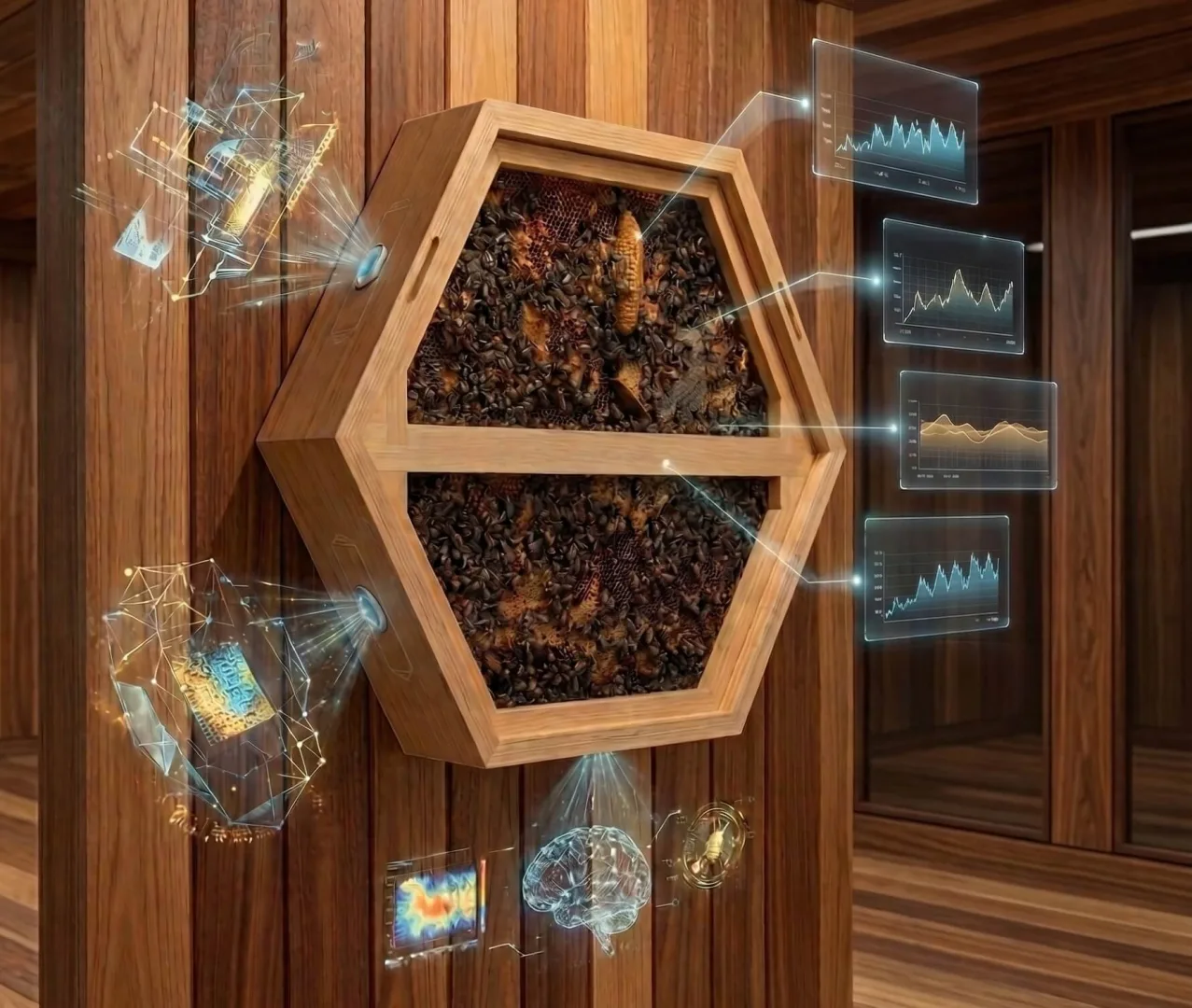
CombIQ is not just a monitoring system - it is a research platform. The combination of sound analysis, visual recognition, weight recording, environmental data and tag detection provides a data density inaccessible with conventional methods.
For research on migration and movement, NoHive Catch opens entirely new possibilities. Tagged individuals - both hornets and honey bees - can be tracked over vast areas. Tags are automatically recovered for reuse, making large-scale population studies economically feasible. Combined with the SwarmNode network and GPS coupling, this results in a distributed detection system that can map movement patterns, migration behavior and territory use at a scale that until now was not realistic.
The system's acoustic analysis capabilities deserve special attention. Bee colonies communicate by sound and vibration in a way that is still largely poorly understood. CombIQ continuously records the complete sound pattern inside and around the hive, and couples it to other parameters. This opens the door to research on stress responses, swarming behavior, queen communication and possible early detection of diseases via acoustic signatures.
Furthermore, the self-learning AI model is capable of detecting anomalies outside the known reference frame - potentially making the system suitable for early identification of invasive species or as yet unknown threats, before they become ecologically problematic.

BeeLynk & SwarmNode: data as a common good
All data generated by the CombIQ ecosystem is only valuable if it is reliable, accessible and shareable. For this, we designed CombIQ BeeLynk a blockchain platform based on IPFS and Hyperledger Fabric.
Each dataset receives a cryptographic hash and is stored in a decentralized manner - immutable and traceable. Manipulation is structurally impossible, guaranteeing scientific data integrity. Each SwarmNode unit contributes to this decentralized network: no single node contains a complete dataset, making abuse structurally difficult.
Users who contribute to the network - by providing data, operating a node or uploading observations - are rewarded via a tokenomics model. Tokens provide access to advanced analytics and AI models, and can be used for licenses or reinvested in the ecosystem. For active participants - beekeepers, researchers, citizens - access is free or significantly reduced. External companies and institutions can purchase access to aggregated datasets via licenses.
This model creates a self-reinforcing network: the more nodes, the richer the data; the richer the data, the more valuable the platform is for everyone.
For whom?
CombIQ is designed for a broad range of users, with modules that match each level of expertise and engagement.
Researchers and universities find in CombIQ a field platform that provides real-time, standardized data validated by blockchain - suitable for population studies, behavioral research, migration analysis and epidemiological research on bee mortality. Open APIs and open source software facilitate integration with existing research infrastructure.
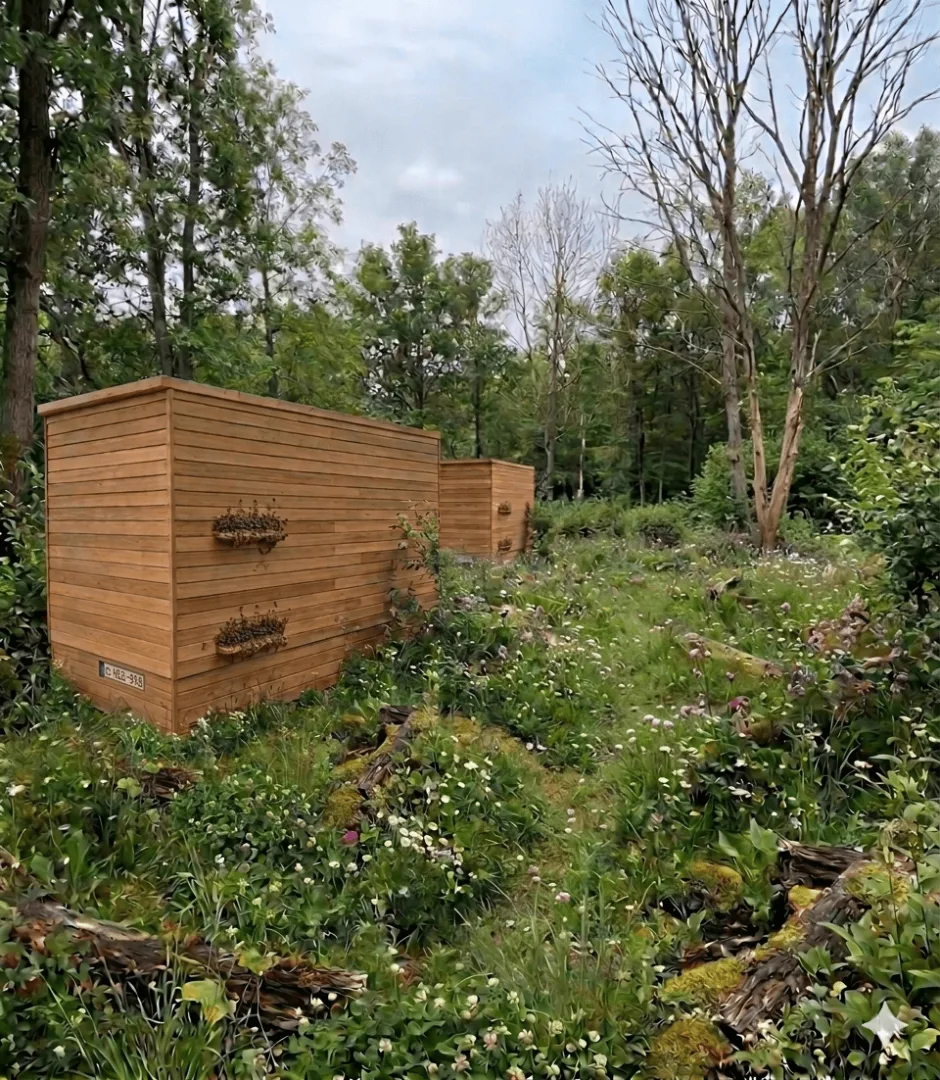
Professional beekeepers benefit from autonomous monitoring, early alerts and proactive protection without laborious hive openings. The SwarmNode Pro makes beekeeping realistic in hard-to-reach or logistically complex places.
Municipalities and governments can deploy NoHive Smart systems for large-scale invasive species control, and integrate SwarmNodes into biodiversity monitoring and policy reporting. The data provides an objective basis for nature management policy decisions.
Companies with sustainability strategies can deploy CombIQ systems as a tangible and genuine part of their ESG policy, in collaboration with local beekeepers.
Nature lovers and passionate citizens can start with a NoHive box or SwarmGate, contribute to the BeeLynk network and thus become part of a global research platform - without technical knowledge.
Open Source & future vision
CombIQ is built with a long-term ambition: to become a free, globally accessible platform for pollinator protection and the study of wild insects.
After the initial development phase, all software, hardware designs, AI models and guides will be released under open source licenses (GPLv3, AGPL, OHL and CC BY-SA). Anyone - researcher, developer, maker or beekeeper - can use, adapt and improve the system. Derived applications are explicitly welcomed. A copyleft principle ensures that improvements benefit the entire community.
The hardware is designed with global scalability in mind. Costs drop significantly as production increases, with the goal that a detection system is widely produced and affordable for home use — in a Flemish garden, an African nature reserve or an Asian research station. Not as a luxury product, but as infrastructure for a healthier ecosystem.
Where technology monitors nature today, CombIQ builds tomorrow a network that lets nature itself contribute to its own protection.